
Our Environmental Statement What we hold dear is “Mottainai” — to treat things with care, and use them well for a long time — a feeling that is, for us, simply natural. In an age where new certifications and new words are constantly born, we keep this single word as our unwavering compass. A single…
FEATURES
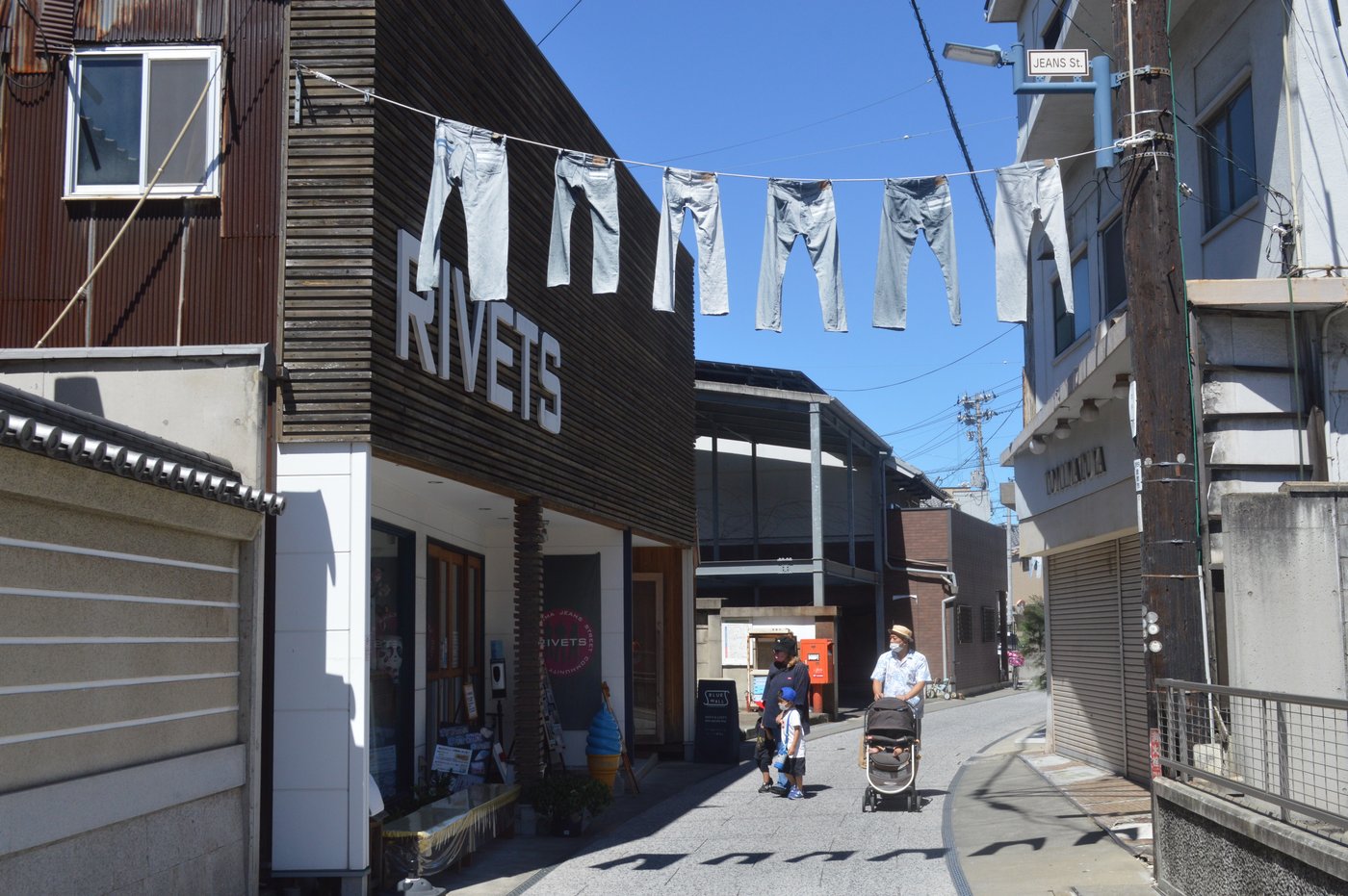 MAPKojima Jeans DaysA walking map of Jeans Street and its surroundings — 55 shops and places, with hours and sources.
 HISTORYHow Kojima became a denim townSalt fields, cotton, tabi, school uniforms, then jeans.
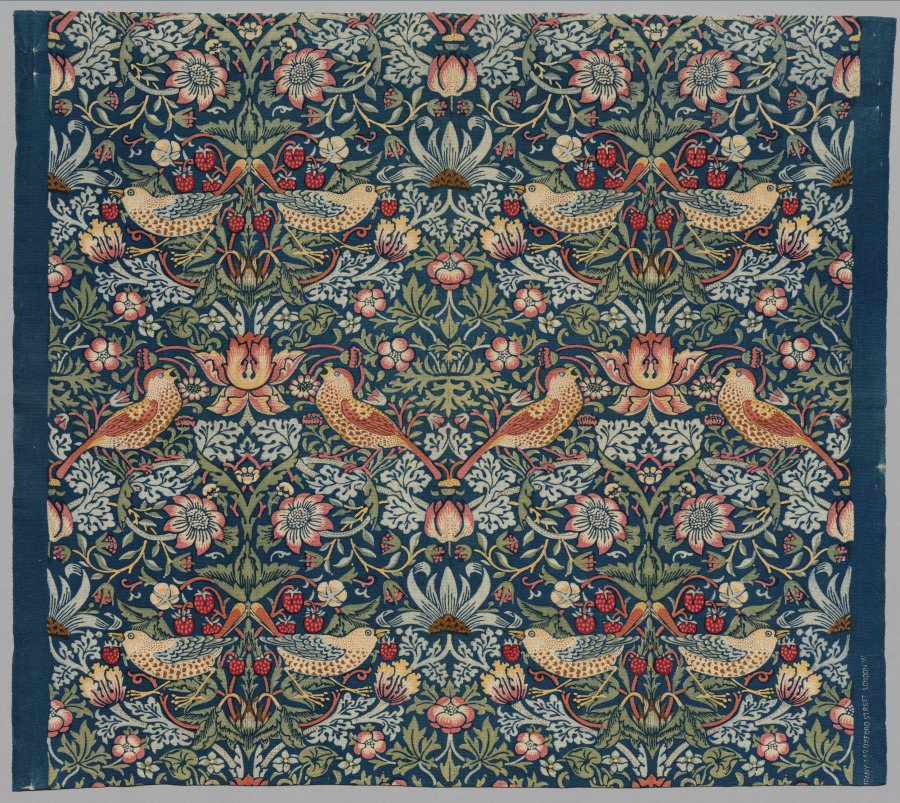 INDIGOThe World Was Indigo.23 records of indigo culture around the world, each with its sources.
 CRAFTALLBLUE CRAFTRemnant denim and sample weaves, made into coasters and trays.
What WWII-Model Jeans Show About the Aesthetic of Constraint
There is a set of jeans called “WWII models.” Made during World War II under US wartime rationing, they carried a distinctly different specification from peacetime production. The 1944 vintage of Levi’s 501 is the most-referenced example — with crotch rivets, watch pocket rivets, back cinch all omitted, and the arcuate stitch painted on instead…
Rope Dyeing vs Slasher Dyeing — Why the Same Indigo Becomes a Different Blue
Denim dyeing has two main approaches. Slasher dyeing and rope dyeing. Even with the same indigo dye, the choice between methods produces a meaningfully different “blue.” Let’s walk through the structural differences. What Is Rope Dyeing? Yarn is passed through dye vats bundled in rope form. It goes through several vats in sequence, with each…
The Morning Sound of a Shuttle Loom Starting — Denim Beginning at the Production Region
I visit weaving mills in the production region. Meetings are often scheduled early in the morning, and we arrive at the mill before it has fully started for the day — present for the moment the floor comes alive. Shutters roll up. Fluorescent lights flicker on one row at a time. The looms are still…
Ring-Spun vs Open-End — How Yarn Construction Shapes Denim Character
Denim’s expression is not decided by dyeing and weaving alone. The “yarn construction” step before that also strongly affects feel and fade. “Ring” and “OE” are terms you hear often in denim. They refer to two spinning methods. The same cotton, spun differently, becomes a different denim. What Is Ring-Spun Yarn? Historically the oldest, and…
The Lineage of “Sodateru” (To Grow) — Japanese Vocabulary for Denim Aging
In denim, there is a distinctively Japanese expression: “to grow jeans” (jiinzu o sodateru). In English we use “break in” or “wear in,” but the nuance differs. “Break in” emphasizes removing initial stiffness — functional. “Wear in” sits close to that. “Sodateru” (to grow) is — by contrast — a verb used for living things…
How to Read a Denim Fabric Sample — Front, Back, Selvedge, Twill, Yarn, and Composition
When picking up a denim fabric sample, where do you look first? Front or back? Selvedge or twill line? The order this happens — when shared between buyer and supplier — significantly changes the speed and resolution of a sourcing conversation. Here is the information a fabric sample gives you — front and back, selvedge,…
Why Denim Fades: The Structure of Indigo, Ring-Dye, and Abrasion
Denim has a culture of “growing” a pair of jeans — letting the indigo fade into patterns that record movement. But that fading, which seems random, is actually a structured phenomenon. Indigo dyeing, ring-dye (core-white) structure, yarn texture, weave density, and the body’s movement all combine to produce honeycombs, whiskers, and abrasion lines. How does…
Mottainai and Denim: Japan’s Philosophy of Using Things Well
The world often speaks about sustainability as if it were a new idea. But in Japan, many of these values have long existed in everyday life: mottainai, the reluctance to waste; respect for materials; and the belief that things deserve care, repair, and long use. Mottainai Mottainai means more than “do not waste.” It carries…
Sustainable Denim – What We Are Doing and Why It Matters
The denim industry uses significant water, energy, and chemicals. ALLBLUE takes responsibility for reducing environmental impact. Challenges Lifecycle assessments by major denim brands estimate that a single pair of jeans uses approximately 3,800 liters of water across its full lifecycle (Levi’s LCA, 2015). Of that total, cotton cultivation accounts for roughly 68%, consumer washing for…
Kojima Japan – Inside the Premier Denim Production Region
Kojima in Okayama Prefecture is the birthplace of Japanese jeans and remains the heart of Japan denim industry. ALLBLUE is based here. Why Kojima The area has been a textile region since the 1600s. Cotton farming, indigo dyeing, and weaving were established before denim arrived. When the region shifted to denim in the 1960s, it…
Denim Wash and Finishing: From One-Wash to Vintage Effects
The same denim fabric can look completely different depending on the wash and finishing process. A dark, clean one-wash jean and a heavily worn vintage-style jean may begin from a similar base fabric, but the final character is shaped by finishing. This article introduces common denim finishing methods and explains how ALLBLUE considers finishing as…
What Is Raw Denim? Shrinkage, Sizing, and Fading
Raw denim refers to denim fabric or jeans that have not been washed after weaving and sewing. It often retains sizing on the yarns, giving the fabric a stiff hand feel, a crisp surface, and a deep indigo appearance. For brands, raw denim is not just a dark version of denim. It is a starting…