The natural indigo route
- Leaves of indigo-bearing plantsProcesses differ by plant species and region
- Precursors in the leaves are transformedExtraction, fermentation and other steps
- Indoxyl is oxidized
- IndigoMain blue component: indigotin
Start from whatever catches your eye, and follow the traces of indigo.
An atlas of indigo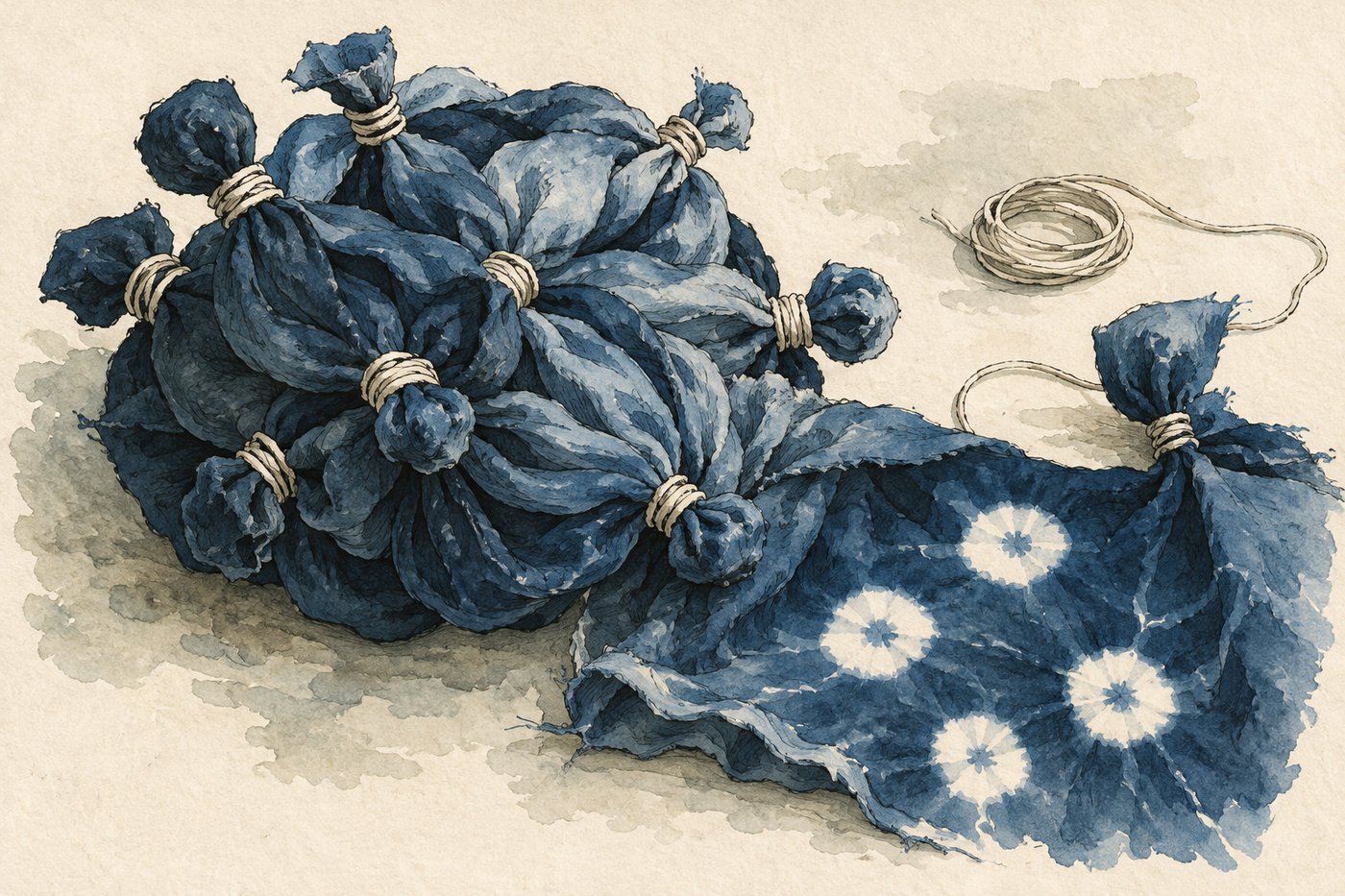 Tied off,
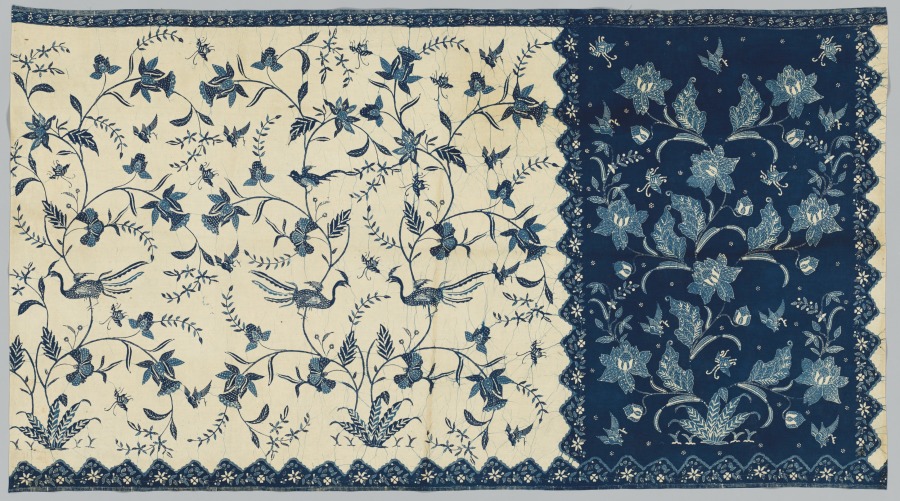 Wax and indigo,
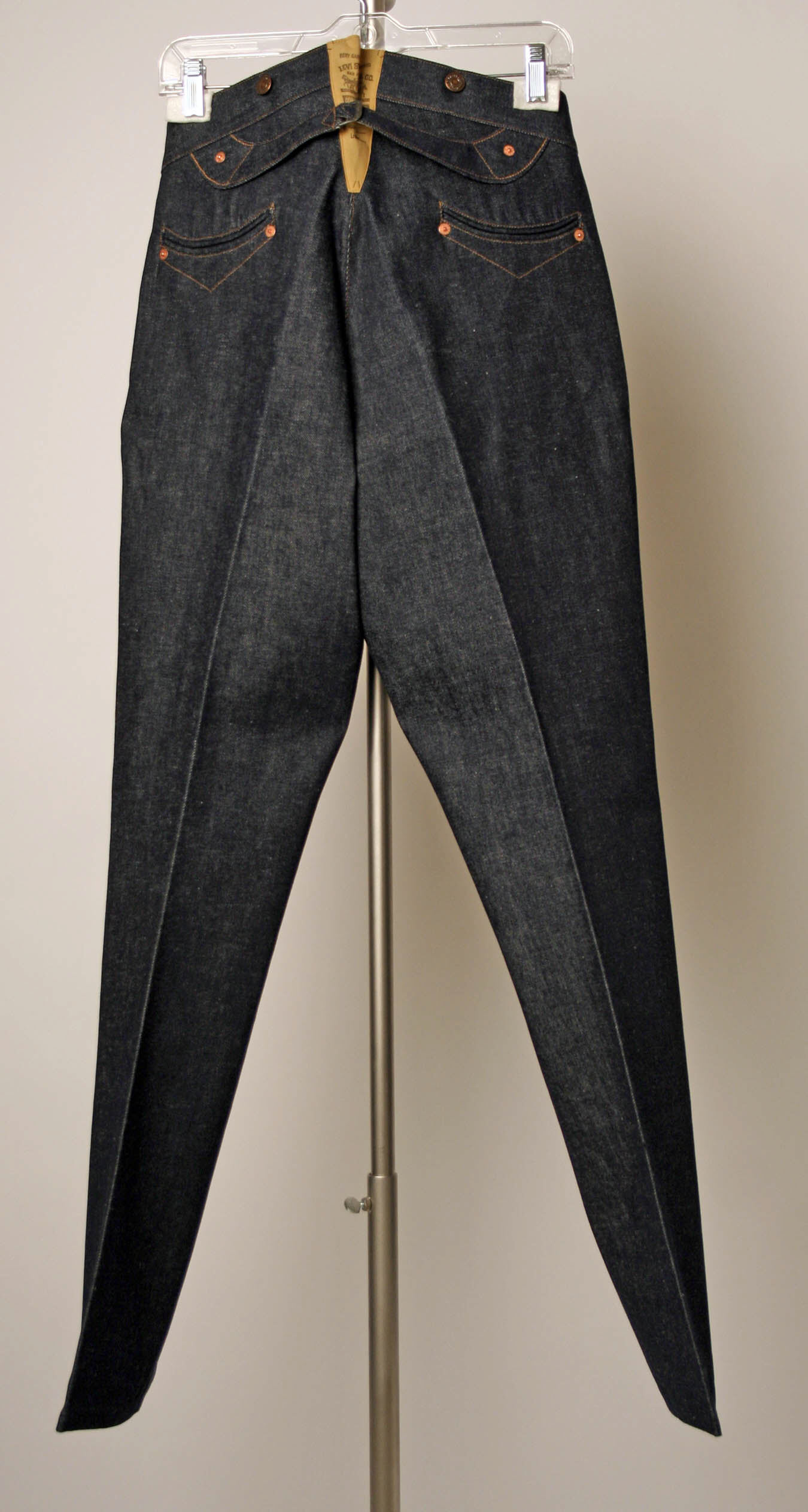 That blue
 This painting’s
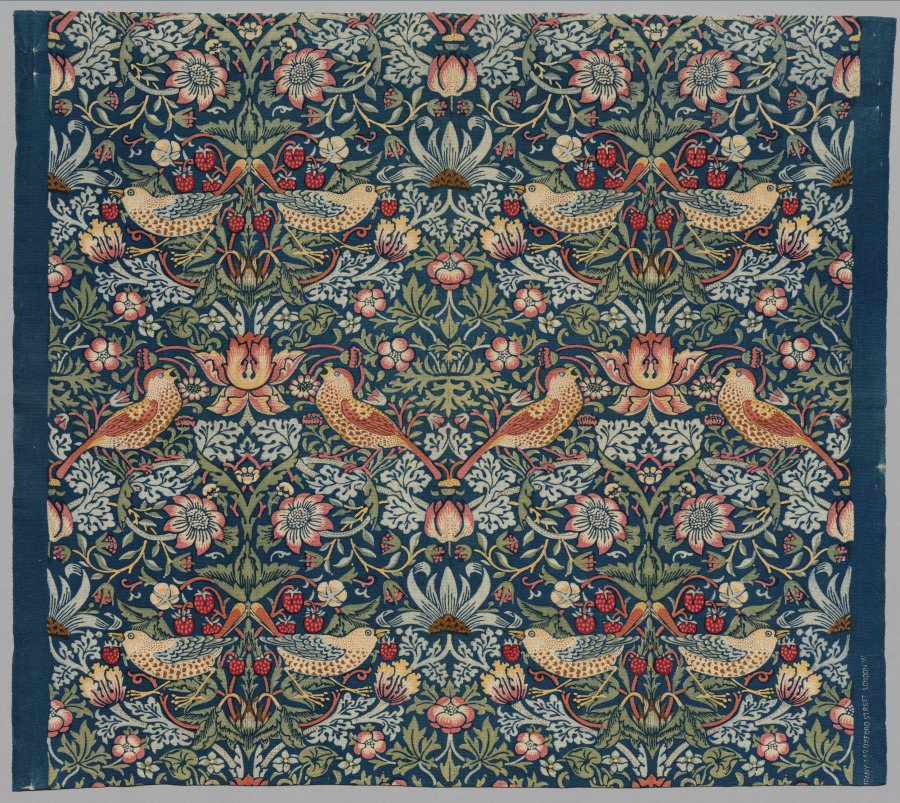 The blue behind
From a photo or a phrase to the article. From a region name to its index. Positions are approximate.On a phone, drag the map sideways ↔
Additional figures: Javanese cloth — Cleveland Museum of Art (CC0) / Shibori — AI-generated illustration made for this site. Photographs: Jeans — The Met / Wikimedia Commons (CC0) / Strawberry Thief — Cleveland Museum of Art (CC0) / Vermeer — Wikimedia Commons / Geheugen van Nederland (Public Domain). Image sources and terms of use
Titles listed by region. Pick a heading to go to the full article.
Indigo is the blue pigment. An indigo derivative is a dye whose chemical structure has been modified from indigo. Indigo leaves are the plant leaves from which the pigment is made. The leaves used in cooking and the dye used on cloth are presented separately.
In both cases the main component of the blue is indigotin. The raw materials, the accompanying substances and the processes differ.
A simplified conceptual diagram of manufacturing routes. The dyeing step (reducing the dye so that it penetrates the cloth, then re-oxidizing it) is separate from the manufacture of the pigment itself.
The rise of synthetic dyes is closely tied to the coal-tar chemical industry. BASF launched synthetic indigo in 1897. But today's synthetic indigo cannot all be described as coal-derived.
History and sources for synthetic indigo ↗Natural indigo contains components other than the main pigment. Fermentation, reduction, repeated dipping and finishing all affect the result. This site does not judge smell or performance from the natural-versus-synthetic label alone.
A comparative study of natural and synthetic indigo ↗In this research we found no direct historical source or experiment supporting the claims that snake deterrence was the origin of wearing jeans, or that the smell of natural indigo repels snakes. This site does not present it as an established effect.
In a 2009 experiment, model limbs covered in denim received less venom when struck, but the time to strike and the number of strikes were similar. What the study suggests is that fabric may hinder venom injection, not a repellent effect of smell. Nor was it a comparison of natural and synthetic indigo.
Annals of Emergency Medicine: original paper (2009) ↗This section was checked on 20 October 2026. Reference paper on industrial synthesis / Reference paper on plant precursors and indigo formation
The uses presented here are those recorded by public institutions, museums, original research papers and manufacturers' official documents. Each entry's “Sources and what we confirmed” shows what was checked and how far the claim goes.
Chichén Itzá is a World Heritage site. Central European resist block printing and Indonesian batik are UNESCO Intangible Cultural Heritage, which covers techniques and culture. Japan Heritage and Japan's nationally or locally designated cultural properties are distinguished from these.
The map marks excavation sites and regions of tradition, and in some cases the holding museum or a manufacturer's base. Each entry states what its location means. Past records and research reports are not equated with present-day general use.
We do not infer indigo from a colour name or the impression of a photograph. Blue in architecture or ceramics is included only where the use of indigo is confirmed by sources.